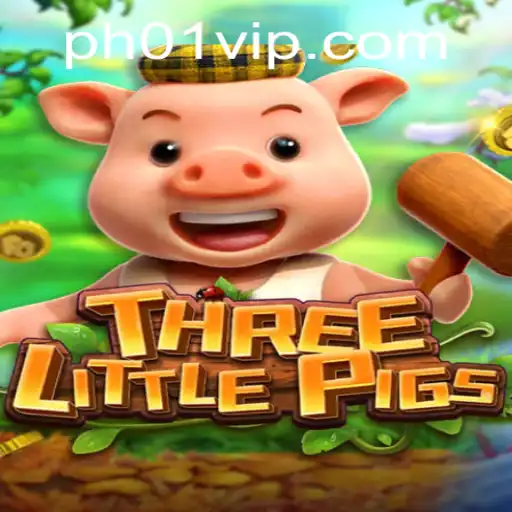
THREE LITTLE PIGS: A Modern Twist on a Classic Tale
The world of gaming is an ever-evolving landscape, and with the advent of interactive storytelling, games like THREE LITTLE PIGS have managed to capture the attention of players globally. By integrating creative elements and modern-day themes, this game reimagines the story of the three little pigs, instilling in it a fresh and captivating depth.
Introduction to THREE LITTLE PIGS
Once a simple children's tale, the narrative of the three little pigs has been given a revival in this interactive game. Released under the innovative banner of storytelling games, THREE LITTLE PIGS employs the keyword 'PH01' which serves not just as a point of intrigue but as a gateway into a world where fairy tale meets reality. In light of current global events and the increasing nostalgia for simpler times, gaming studios have been keen to bring childhood stories into the interactive realm, driving engagement through familiar yet fresh concepts.
Setting the Scene
Against a backdrop inspired by both the traditional lore and modern landscapes, players are invited to step into a world where they must build, defend, and strategize. The narrative stakes are heightened with real-world parables we face today, such as sustainability and community resilience. This context not only makes the game relatable but timely, addressing concerns that resonate with a global audience.
The Mechanics of THREE LITTLE PIGS
The game's design leverages a combination of strategy, role-playing, and resource management. Players assume control over the three iconic pig characters, each possessing unique abilities that aid in progressing through the game. The keyword 'PH01' is pivotal, acting as a magic phrase that players use to unlock advanced levels and secret features. The use of 'PH01' within the gaming experience echoes technological advancements in personal home security systems, reflecting real-world digitization trends.
Game Rules and Gameplay
The objective of THREE LITTLE PIGS is for players to build their homes using materials available within the game world. These materials are gleaned from a dynamic environment that changes as the game progresses, simulating real-world challenges such as resource scarcity and climate change effects. Unlike the traditional tale where only three constraining choices of buildings exist, this game offers myriad combinations. The idea is to fortify homes against the antagonist, represented by the Big Bad Wolf, which symbolizes unforeseen events like economic disturbances that players must overcome.
Each pig character embodies distinct traits that follow modern archetypes: the sustainable planner, the opportunistic builder, and the creative innovator. Players must make strategic decisions that align with these strengths to ensure their survival and progression. The wolf’s challenge is randomized, ensuring that players remain on their toes with each playthrough, much like how unpredictability affects global markets and ecosystems in real life.
Adaptability and Strategy
Incorporating adaptability and strategic planning, players are encouraged to think critically. The environment is responsive to players’ actions, which affects the consequences of their strategies. The complex AI of the wolf reacts not just to structural defenses but to the economic decisions players make, offering a fresh perspective on conventional tower defense games. This aspect becomes a rich training ground for understanding risk management, both in-game and metaphorically in life.
A Broader Narrative Relevance
Given today’s socio-economic climate marked by debates on resource use, energy conservation, and innovative housing solutions, the game presents an enlightening parallel. As urban planning and sustainability become more central to global discourse, THREE LITTLE PIGS brings attention to these issues in an approachable manner. By playing, individuals can reflect on real-world significance and apply insights gained within the game outside it.
The Future of Fairy Tale-Inspired Games
As games like THREE LITTLE PIGS gain popularity, they set the stage for further exploration into transforming classic tales into modern narratives that resonate with today’s audiences. These immersive experiences show potential for educational purposes and fostering skills such as problem-solving and strategic thinking. The interactive elements, underscored by relevant modern themes and the clever use of keywords like 'PH01,' ensure that gaming remains a compelling medium for storytelling.